

Jennifer Walker, PhD, finds inspiration in her students’ curiosity, opens doors to discovery
September 28, 2026
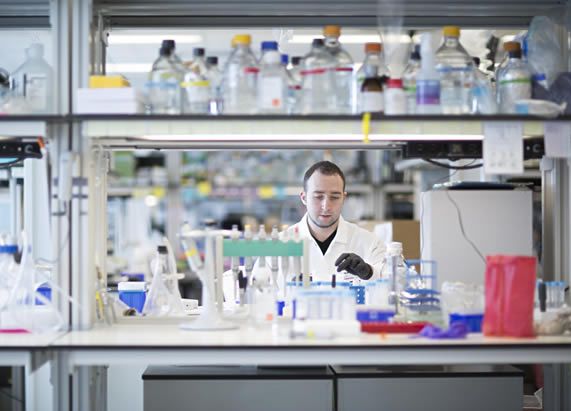
Jennifer Walker, PhD, first learned about biomedical research as a career path at a high school career day, where meeting a university researcher led to an internship in a microbiology lab.
“The lab was just so welcoming. I had no experience. It was really starting from step one and learning everything I could and everything that the people in the lab were willing to teach me.”
That experience helped set Walker on a path to research and continues to influence how she approaches mentorship today, as assistant professor of Microbiology and Molecular Genetics at McGovern Medical School, and faculty member in the Microbiology and Infectious Diseases Program at The University of Texas MD Anderson Cancer Center UTHealth Houston Graduate School of Biomedical Sciences.
Meeting students where they are
Walker says she draws much of her mentorship style from her own introduction to research. She keeps her approach flexible, recognizing that individual students need different levels and types of guidance.
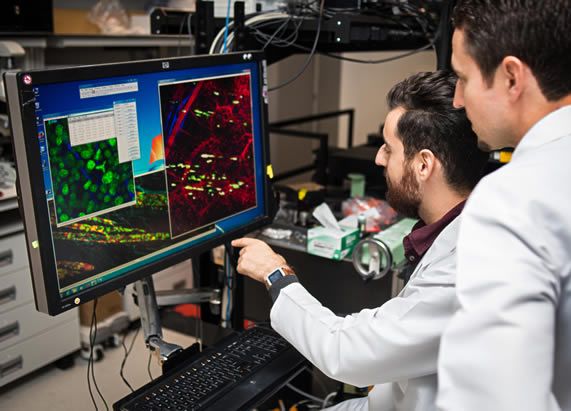
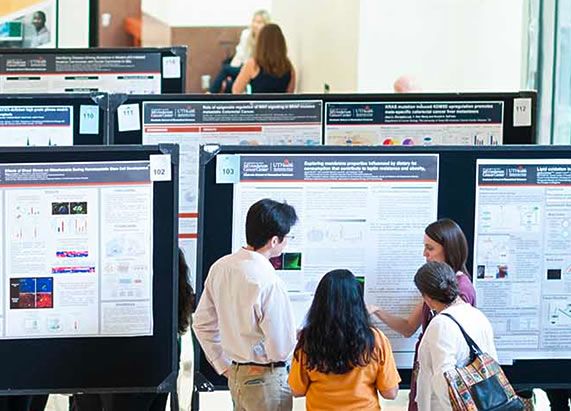
Early on, that may mean hands-on instruction, relevant literature, or opportunities to attend conferences. As students progress, Walker steps back.
“They drive the research, they ask the questions, and then they answer the questions.”
That independence comes with learning to navigate the realities of research. Walker encourages students to remain curious through failed experiments and unexpected results and to recognize the value of incremental progress.
“When they’re able to realize the small steps lead to the bigger things, that’s super helpful for them.”
The learning also goes both ways.
“I learn so much from them.” Their eagerness to learn and the questions they ask make her rethink how she explains her research, and “help me ask more innovative or more interesting questions that we can then answer in the lab.”
Connecting across a wider scientific community
For Walker, mentoring students also means connecting them with expertise beyond her own lab. Her group typically studies individual bacteria, but when students develop questions about polymicrobial infections or the urinary microbiome, they can work with collaborators at Baylor College of Medicine — attending lab meetings, learning techniques, and discussing their research with other graduate students. Students interested in the clinical side of their work can also connect with collaborators at Houston Methodist Research Institute.
The same collaborative network also brings students into Walker’s lab to learn techniques and exchange ideas with her students in areas including biofilm formation, genomics, and microbial adaptation. The collaborations have also contributed to joint publications and funding efforts.
“Everything is just right here,” Walker said of the Texas Medical Center. “Just a ton of different expertise really concentrated in a small area.”
Where curiosity can lead
Walker’s interest in science began long before her first microbiology internship. She remembers being fascinated by the stars and moon as a child and taking additional microbiology and genetics classes simply because they interested her.
That curiosity continues today. NASA’s Johnson Space Center is one of her favorite places in Houston, and a research collaboration even gave her the opportunity to contribute to experiments sent to space. Outside of work, she also enjoys gardening, visiting the beach, and exploring Houston breweries.
Walker sees that same curiosity at work in her students. One of Walker’s recent graduates discovered that as a particular strain of bacteria persisted within a patient, mutations in a specific gene appeared over time and were associated with increased pathogenic potential — findings that could help researchers explore ways to identify and intervene in infections earlier.
She also takes pride in the many ways her students develop during their training, from earning fellowships and conference awards to contributing through service to the Graduate School, university, and broader microbiology field.
The paths they pursue afterward can look very different. One recent graduate used a Graduate School internship to develop science communication skills and is pursuing work translating complex scientific ideas for broader audiences.
For Walker, watching students make discoveries, develop their interests, and discover where those experiences can take them is particularly rewarding.
“They’re incredibly successful at everything that they do. Overall, just outstanding, fantastic, and really a pleasure to have in lab.”