



Phuoc Tran
Professor & Chair
The University of Texas MD Anderson Cancer Center at Houston
Department of Genitourinary Radiation Oncology
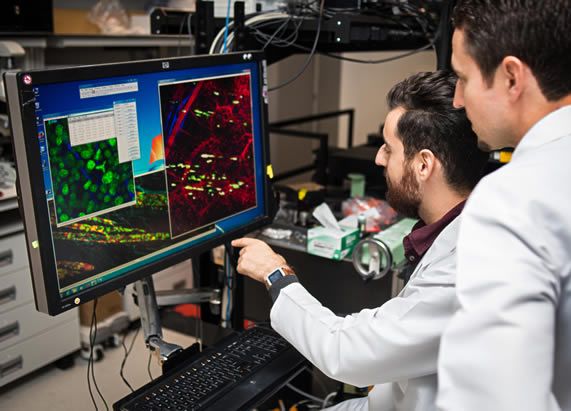
My laboratory investigates the molecular and cellular pathways that drive the development, progression, and treatment response of prostate, lung, and liver cancers, with a particular emphasis on epithelial–mesenchymal plasticity and radiobiology. A major focus is understanding transitions between epithelial and mesenchymal states, including epithelial–mesenchymal transition (EMT) and how these programs influence tumorigenesis, metastasis, treatment resistance, and radiation-induced fibrosis. We study these questions using a multidisciplinary toolkit that includes inducible transgenic oncogene mouse models, non-invasive rodent imaging, functional genomics, and molecular and cell biology approaches. Our inducible models allow us to simulate targeted therapies and interrogate concepts such as oncogene addiction, enabling mechanistic studies of tumor maintenance and regression. In parallel, the lab develops and tests novel targeted agents and tumor-selective radiosensitizers aimed at improving the therapeutic ratio of radiation therapy and advancing precision oncology.
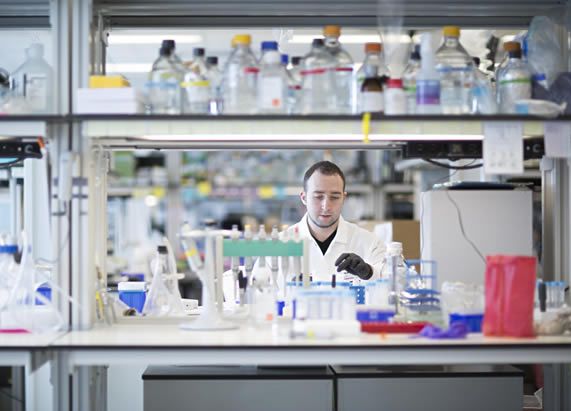
Students rotating in the lab may work on projects such as dissecting EMT signaling networks using genetically engineered mouse models, studying how oncogene inactivation reshapes tumor evolution, or evaluating new radiation–drug combinations in preclinical systems. Tutorials emphasize hypothesis-driven experimental design, quantitative analysis, and exposure to translational pipelines that connect basic discovery to early-phase clinical trials. Trainees will learn techniques spanning transgenic mouse modeling, imaging, radiogenomics, and translational cancer biology, while collaborating with clinicians, physicists, and computational scientists. Our overarching goal is to translate fundamental biological insights into innovative strategies that improve cancer prevention, diagnosis, and treatment. This environment provides students with a rigorous, collaborative environment to explore how mechanistic science can directly inform clinical impact.
Education & Training
MD/PhD, Oregon Health & Science University, 2003