
Faculty Spotlight: Shaping research, training, and mentorship
March 05, 2026

The University of Texas MD Anderson Cancer Center UTHealth Houston Graduate School of Biomedical Sciences (GSBS) is strengthened by faculty whose work spans disciplines and shapes the graduate experience. In this feature, we introduce assistant professors Hemanth Mohan, PhD; Richard Cox, PhD; and Gohar Manzar, MD, PhD — new faculty whose research and commitment to student development reflect the depth of inquiry and collaboration that define GSBS.
Hemanth Mohan, PhD
Joining the Graduate School’s Neuroscience program marks an exciting step for Mohan in his transition to independent research. He was drawn to the school’s emphasis on interdisciplinary training and its collaborative research culture, where basic scientists and clinicians regularly exchange ideas. He describes his experience so far as overwhelmingly positive, citing enthusiastic students and colleagues who are open to new ideas and partnerships, and noting that the supportive environment has made the transition exciting.
At the core of Mohan’s research is a fundamental question: how does the brain turn information into action? His lab studies how the brain transforms sensory information into precise, coordinated movement.
Many everyday behaviors — such as reaching, grasping, or interacting with objects — require the brain to continuously combine sensory signals with motor commands, he explains.
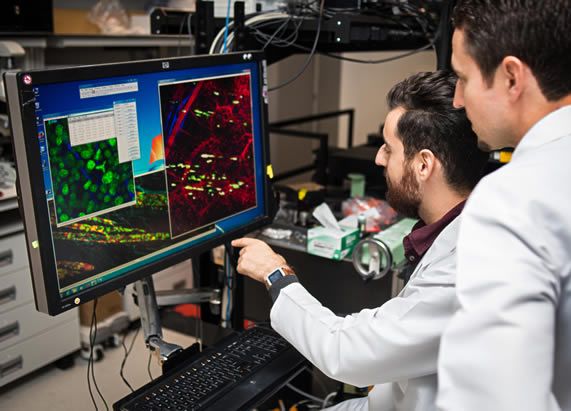
By combining large-scale neural imaging, precise behavioral tracking, targeted circuit manipulations, and computational modeling, his team aims to uncover the neural mechanisms underlying sensing, decision-making, and movement.
What makes Mohan’s research program especially distinctive is its cell-type-specific approach. Rather than viewing the cortex as a uniform structure, his lab investigates how different classes of brain cells communicate with distinct regions to carry out specialized computations. By integrating advanced experimental tools with artificial intelligence-based modeling, his work moves beyond correlations to identify causal circuit mechanisms linking brain activity to behavior.
As his lab takes shape at the Graduate School, Mohan is focused on building a vibrant research environment and mentoring students toward independence.
“GSBS offers a unique platform for interdisciplinary training, and I look forward to fostering collaborations that bridge systems neuroscience, engineering, and computational biology.”
Richard Cox, PhD
Graduate school education and mentorship were a driving force behind Cox’s decision to join the Graduate School’s Molecular and Translational Biology program. He enjoys interacting with students and faculty through seminars, events, and laboratory rotations. He also appreciates the efforts of faculty and staff to cultivate a supportive and interactive academic community.
The Cox Lab focuses on the biology of pancreatic islets, which play a central role in regulating blood glucose levels.
“At the heart of this system are the insulin-producing beta cells, whose dysfunction or loss drives both type 1 and type 2 diabetes.”
His research aims to uncover the molecular and cellular mechanisms that lead to beta cell death and dysfunction, while also developing pharmacologic and cellular therapies to restore functional beta cell mass.
Two areas of Cox’s work are particularly promising: efforts to generate vascularized pancreatic islets from stem cells, and a unique model of rapid-onset diabetes at a young age. Together, these approaches may offer new insights into diabetes development and point toward novel therapeutic strategies.
Looking ahead, Cox is most excited about continued interactions with GSBS students.
“I enjoy their naive questions that spark great discussions, and their unique creativity and innovation that can bring new vigor to a project."
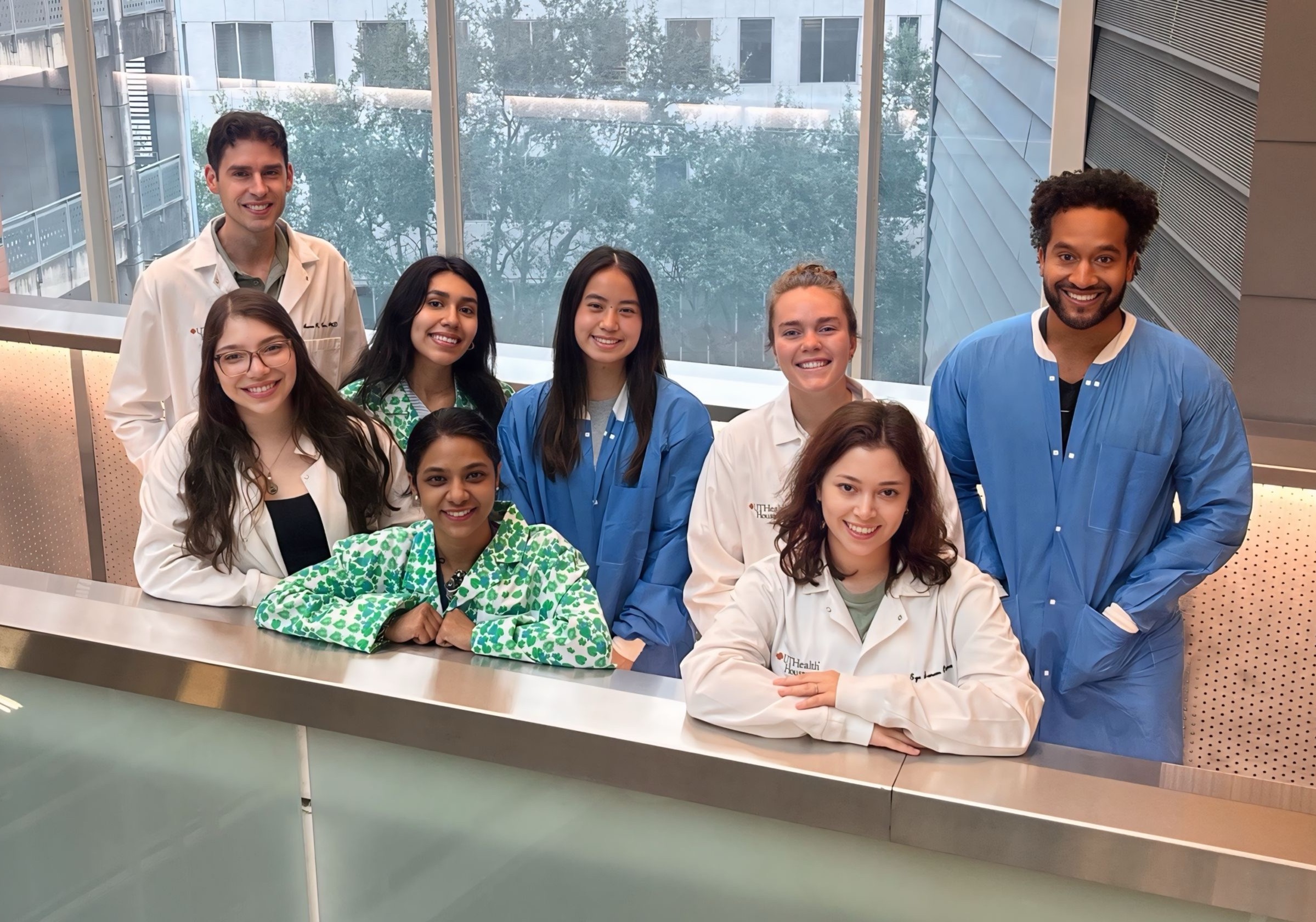
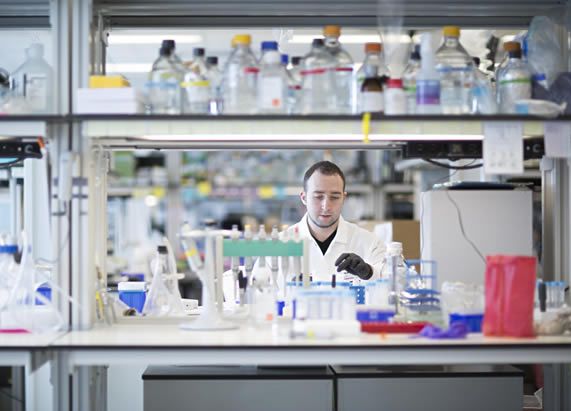
The Cox lab.
Gohar Manzar, MD, PhD
A physician-scientist with a deep passion for patient care and education, Manzar is at home serving as a faculty member at the Graduate School’s Immunology program. After arriving at MD Anderson Cancer Center as a resident in Radiation Oncology, she was drawn to remain by the institution’s collaborative, collegial culture and strong research environment. She joined the Graduate School’s faculty in large part because of her love of teaching and mentoring, which she describes as central to her academic identity.
Manzar’s research explores how radiation therapy can be combined with cell-based immunotherapies, such as CAR-NK cell therapy in collaboration with Katy Rezvani, MD, PhD, to improve cancer treatment.
“There is so much to still discover,” she says, noting that even incremental insights can help guide clinical trial design. Her work examines how different radiation doses, schedules, and delivery methods interact with the immune system, with a particular focus on improving outcomes for childhood solid tumors.
A defining feature of Manzar’s work is its highly collaborative nature, bridging radiation physics, immunology, and clinical oncology. She credits mentorship by leaders like Rezvani and May Daher, MD, and cross-disciplinary collaboration with enabling her research to move from the lab into translational and clinical settings.
In addition to her research, Manzar served as a facilitator for GS21 1051: The Ethical Dimensions of Biomedical Sciences. She is eager to join thesis committees, mentor students, and deepen her connections within the Graduate School community.
“I absolutely love getting to think with our remarkably thoughtful students, about the nuanced societal and humanist issues that guide our scientific work.”
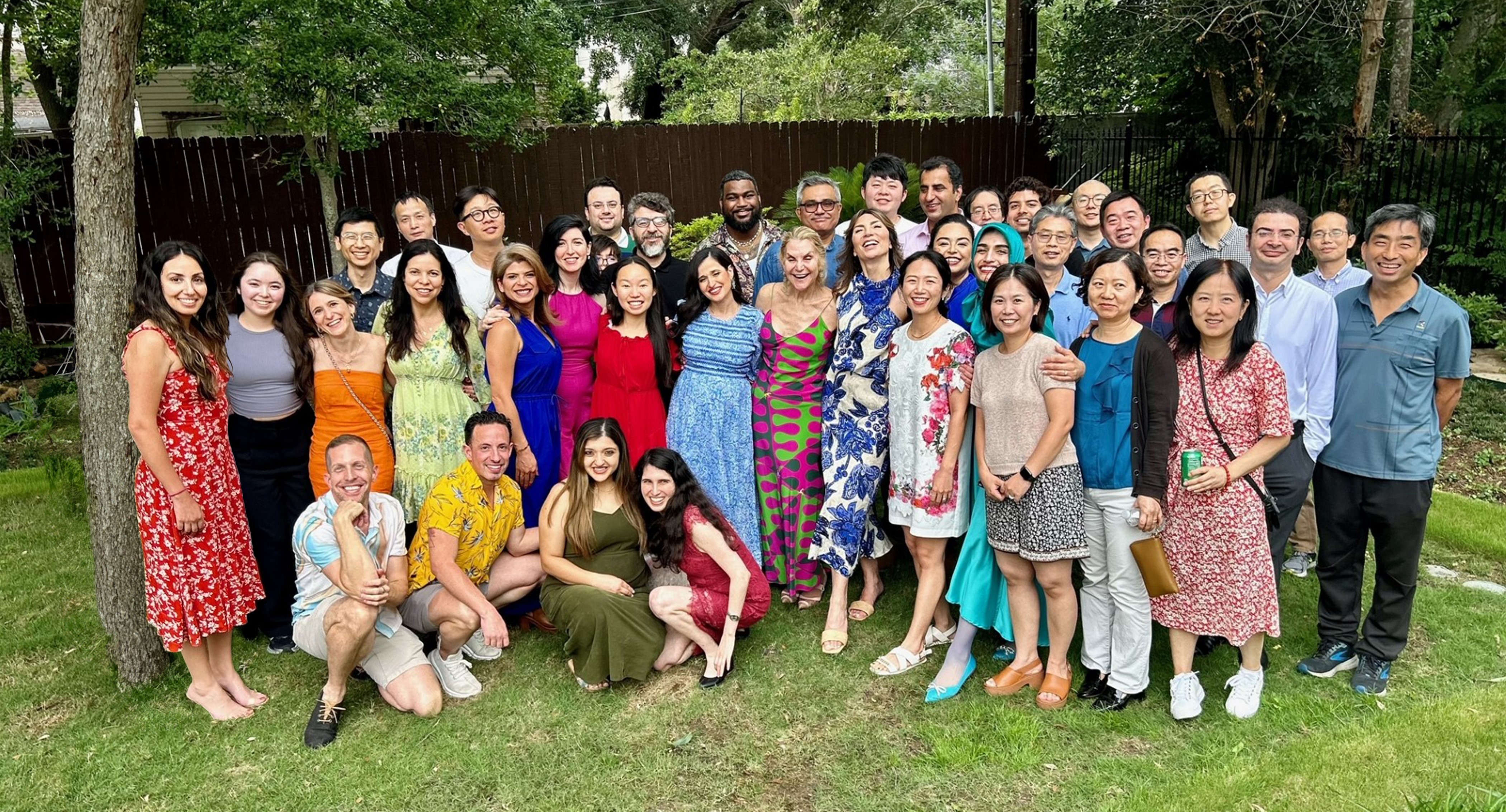
The Rezvani lab.
Mohan, Cox, and Manzar are among the nearly 700 Graduate School faculty who hold appointments across UTHealth Houston’s seven schools and MD Anderson Cancer Center, offering students unparalleled access to leading biomedical researchers. Their mentorship and interdisciplinary affiliations across multiple Graduate School programs create an ideal environment for collaborative research and groundbreaking discovery.