


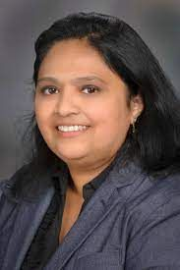
Shilpa Dhar
Assistant Professor
The University of Texas MD Anderson Cancer Center at Houston
Department of GI Medical Oncology
My research program focuses on understanding how epigenetic and chromatin-based mechanisms regulate tumor evolution, lineage plasticity, and interactions with the tumor microenvironment (TME) in gastrointestinal cancers, with a primary focus on gastric and esophageal adenocarcinomas. Our goal is to identify fundamental mechanisms driving tumor initiation, metastasis, therapeutic resistance, and immune evasion and translate these discoveries into novel therapeutic strategies for patients.
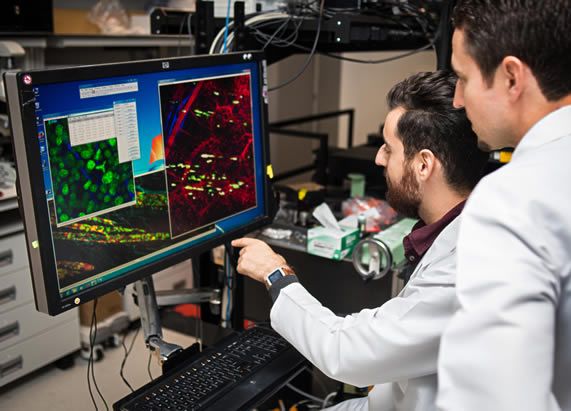
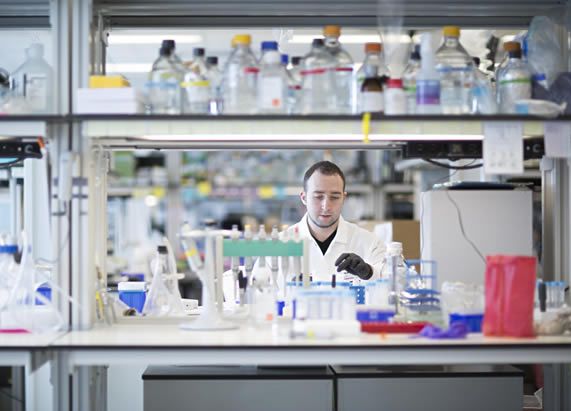
Our laboratory integrates single-cell and spatial multi-omics with functional genomics and patient-derived models to define the cellular ecosystems that govern cancer progression. Graduate students receive hands-on training in cutting-edge technologies, including single-cell RNA sequencing, single-cell ATAC-seq, spatial transcriptomics (10x Visium and NanoString CosMx), spatial epigenomics, CUT&RUN, CRISPR genome editing, organoid cultures, patient-derived xenografts (PDXs), computational multi-omics integration, and AI-assisted analysis. These approaches enable us to investigate tumor heterogeneity, enhancer biology, cell-of-origin programs, lineage plasticity, tumor evolution, and tumor–immune interactions at single-cell resolution.
Our recent work identifies epigenetic regulators such as KMT2D, KDM2A, and ATAD2 as key drivers of gastric and esophageal cancer progression via enhancer remodeling and transcriptional reprogramming. We also show the YAP1–SOX9 axis promotes peritoneal metastasis by creating an immune-suppressive, CAF-rich tumor microenvironment, revealing new therapeutic targets. Current projects explore how chromatin remodeling, ecDNA, metabolic changes, and stromal interactions drive treatment resistance in metastasis.
Our laboratory is based in the Department of Gastrointestinal Medical Oncology at MD Anderson Cancer Center, led by Dr. Jaffer A. Ajani, a leading gastrointestinal oncologist and researcher in gastroesophageal cancer. Through his team, students access one of the world's largest collections of gastroesophageal cancer specimens, including biopsies, metastatic lesions, ascites, blood samples, organoids, xenograft models, and clinical data. These resources enable the connection of laboratory discoveries with clinical questions and biomarker development.
Opportunities for Graduate Students:
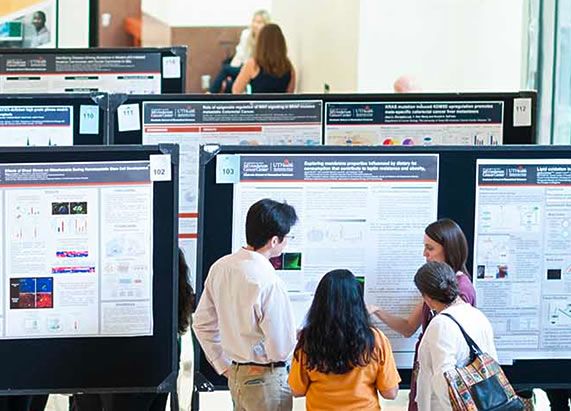
Graduate students will receive interdisciplinary training in cancer epigenetics, molecular biology, genomics, computational biology, spatial biology, and translational oncology. They will lead research projects, collaborate with clinicians, computational scientists, and bioinformaticians, and translate discoveries from patient samples into models and therapies. Trainees are encouraged to present at conferences, publish in high-impact journals, compete for fellowships, and develop skills for careers in academia, biotech, or precision oncology.
Education & Training
PhD - Gujarat University - 1999