





Wendy Woodward
Professor
The University of Texas MD Anderson Cancer Center
Department of Radiation Oncology
The research in my laboratory is directed at characterizing breast cancer stem and progenitor cells in human tissues including primary breast cancer and metastatic pleural effusions as well as in breast cancer cell lines. In particular we are examining the role of the cells in radiation resistance, particularly mediated by stem cell survival pathways such as Wnt/beta-catenin.
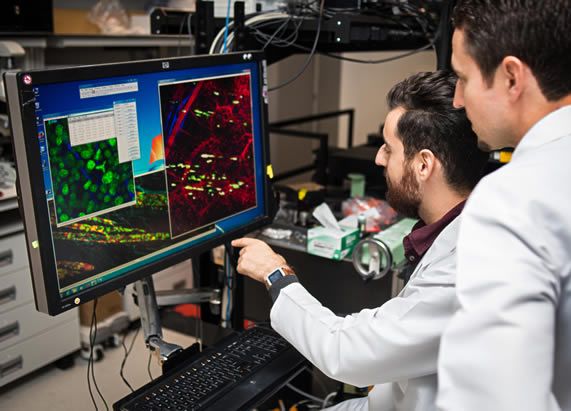
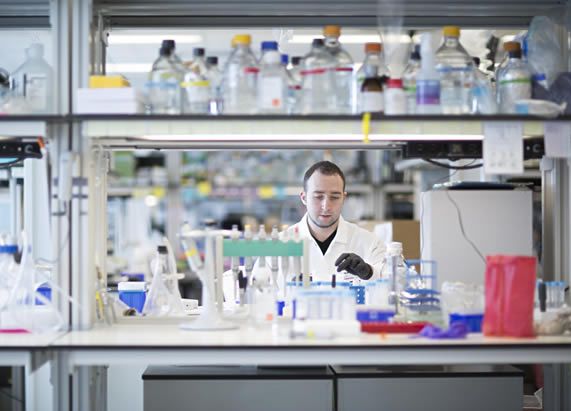
Depending on the student’s interests, a tutorial in my laboratory would provide a knowledge base in stem cell biology, radiation biology and molecular biology. A tutorial would also provide experience with stem cell culture, primary human tissue culture, molecular biology techniques including retroviral transduction, flow cytometry, fluorescent microscopy.
Publications
- NRG-BR002: A Randomized Phase II/III Trial of Metastasis-Directed Ablation With First-Line Systemic Therapy for Oligometastatic Breast Cancer
- Tumour-infiltrating lymphocytes and breast radiotherapy: perspectives from the International Immuno-Oncology Biomarker Working Group
- Adverse Events in a Randomized Trial Comparing Radiation Therapy With or Without Olaparib for Inflammatory Breast Cancer
- Tumor emboli-associated adaptive stress response signatures identify aggressive disease features in inflammatory breast cancer
- Definitive, stereotactic ablative radiotherapy and endocrine therapy without surgery for select low-risk breast cancers: A prospective, phase II trial
- In Reply to Kunkler et al
- Scientific highlights and perspectives from the International Inflammatory Breast Cancer Symposium 2025
- Impact of Tamoxifen Only After Lumpectomy for "Good-Risk" Duct Carcinoma In Situ: Combined Analysis of the NRG Oncology/RTOG 9804 and ECOG-ACRIN E5194 Trials
- Concurrent Versus Sequential Radiation Dose Escalation to the Surgical Cavity for Conservative Treatment of High-Risk Early Breast Cancer: NRG/RTOG 1005 Phase III Trial
- Locoregional Nodal Status at Initial Presentation on Ultrasound (US) and Positron Emission Tomography/Computerized Tomography (18F-FDG PET/CT) in Inflammatory Breast Cancer (IBC) Patients is Predictive of Overall Survival
- CCR7 immune cell receptor expression in inflammatory breast cancer
- Lymphatic pumping failure in the arm precedes dermal backflow and breast cancer-related lymphedema
- Serum S100A8/S100A9 is associated with increased risk of brain metastasis in patients with inflammatory breast cancer
- High levels of circulating miR-19a-3p in patients with metastatic HER2 + breast cancer are associated with a favorable prognosis and anti-tumor immune responses
- Soluble E-cadherin-CXCL1-CXCR2 axis as a therapeutic vulnerability in inflammatory breast cancer brain metastasis
Education & Training
M.D./Ph.D. - Thomas Jefferson University - 2000