





Kristen Pauken
Assistant Professor
The University of Texas MD Anderson Cancer Center
Department of Immunology
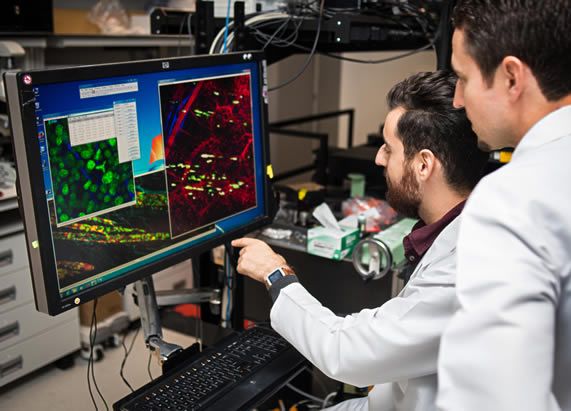
Harnessing the immune system using immune checkpoint inhibitors to treat cancer has revolutionized clinical cancer care, demonstrating remarkable efficacy in diverse cancer types. Checkpoint inhibitors targeting the PD-1 pathway have been the most successful as a single agent, and these inhibitors are now the cornerstone of dozens of combination therapies aimed at eliminating cancer. Despite the clinical successes, overall response rates for most cancers remain below 50%, highlighting the need to better understand immunological drivers of response and resistance to improve outcomes. Moreover, a subset of patients develops autoimmune-like immune-related adverse events, which has limited the utility of this approach. The inability to push the reset button on autoreactive immune responses is becoming a rate limiting step in the effective application of immunotherapy for the treatment of cancer and continues to hamper our ability to treat autoimmunity. The central mission of the Pauken laboratory is to expand the reach of PD-1 inhibitors by improving both efficacy and safety. In my laboratory, I am leveraging my 20 years of fundamental T cell immunology experience to interrogate the immunological mechanisms driving protective vs. pathogenic immune responses in cancer, autoimmunity, and immune-related adverse events in cancer. In the Pauken lab, half of the projects currently focus directly on cancer and improving PD-1 inhibitor responses, and the other half focuses on developing approaches to mitigate immune-related adverse events in cancer and autoimmunity. Projects in the Pauken lab span the full range of the immune response, including priming in the tissue draining lymph node, trafficking from the periphery to the effector site, tissue adaptation upon arrival, and approaches to modulate T cell functions within the tissue. Much of the work in the Pauken lab utilizes preclinical models and basic immunology approaches including flow cytometry and immunofluorescence microscopy. Additionally, the lab utilizes single cell RNA seq to interrogate how PD-1 inhibitors shape T cell activity, as well as T cell receptor sequencing as a molecular barcode to track clonal dynamics across time and space. Projects in the Pauken lab can be entirely wet lab, entirely dry lab, or a mix of both. In joining the Pauken laboratory, you can expect a fast paced, cutting-edge research environment, highly supportive mentor, and a supportive and collaborative research environment.
McGovern Medical School Faculty
Education & Training
PhD - University of Minnesota - 2013